
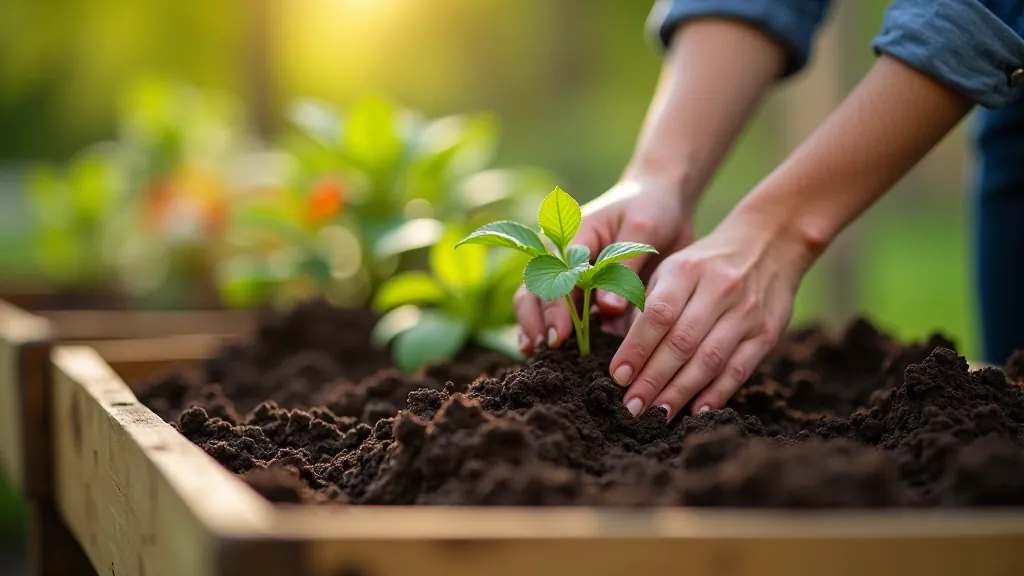
Preparing Your Garden for Spring Growth
Learn when to start seeds, how to refresh your soil, and which plants thrive in early spring conditions.
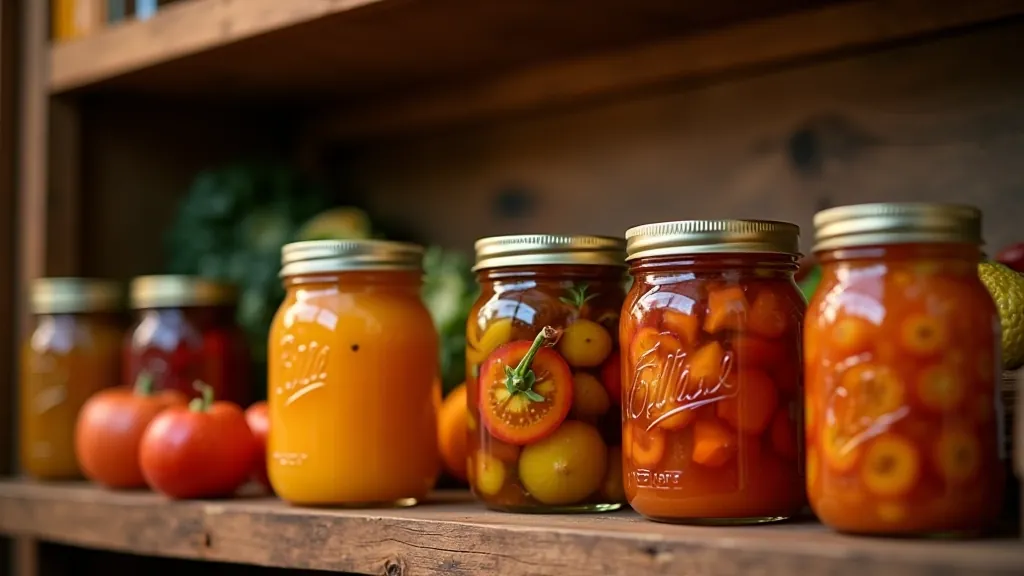
Don't let your autumn harvest go to waste. We'll walk you through pickling, jamming, and proper storage methods so you can enjoy your garden's bounty year-round.
Autumn brings an abundance of fresh vegetables and fruits. You've spent months nurturing your plants, and suddenly everything ripens at once. It's brilliant, but it's also overwhelming — you can't possibly eat it all before it spoils.
Preserving isn't complicated. It's about capturing that flavour and nutrition while they're at their peak. Whether you're pickling cucumbers, making jam from windfall apples, or bottling tomato sauce, you're essentially stopping time. Three months from now, when the shops are full of bland winter produce, you'll have something genuine from your own garden sitting on the shelf.
The methods we'll cover work. They've worked for generations. You don't need fancy equipment or mysterious ingredients — just clean jars, proper technique, and a bit of patience.
Vinegar-based preservation keeps vegetables crisp and tangy. Works brilliantly for cucumbers, onions, and beetroot.
Transform fruit into spreads. Apples, plums, and damsons become something you'll actually want to eat all year.
Heat-seal your way to shelf-stable sauces, chutneys, and tomato products that last months.
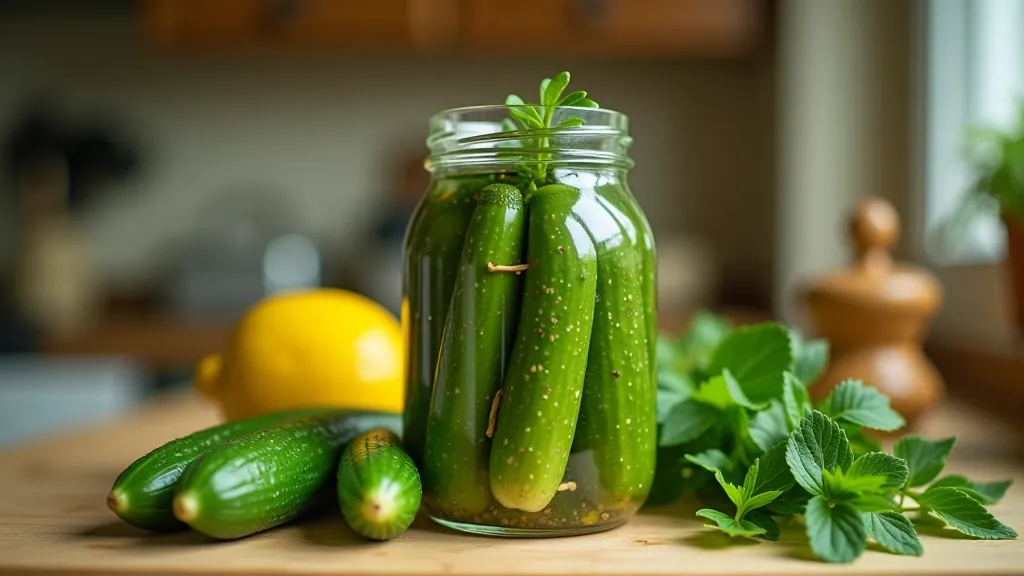
Pickling is the easiest preservation method to master. You're essentially creating an environment where nothing undesirable can grow. Vinegar does the heavy lifting.
The basic formula: vegetables, salt, vinegar, spices, and water. That's it. You'll need clean jars (sterilise them by running them through the dishwasher or heating in the oven at 120°C for 15 minutes), and you need to think about what you're pickling.
Trim cucumbers to fit your jar. Slice onions thinly. Leave smaller vegetables whole. Wash everything thoroughly.
Heat equal parts white vinegar and water (500ml each for a small batch). Add 2 tablespoons salt, sugar to taste, and your spices — dill, mustard seeds, garlic, peppercorns. Let it simmer for 5 minutes.
Pack vegetables into hot jars, leaving 2cm at the top. Pour hot brine over them. Seal immediately with a sterilised lid. Let them cool naturally — you'll hear the satisfying pop as the seal sets.
This guide is educational and covers traditional preservation methods widely practised in home kitchens. Proper sterilisation and storage temperatures are crucial for food safety. If you're uncomfortable with any step, consult established food preservation guides from organisations like the NHS or university extension services. When in doubt, discard anything that shows signs of spoilage — cloudy brine, visible mould, or unusual smells.
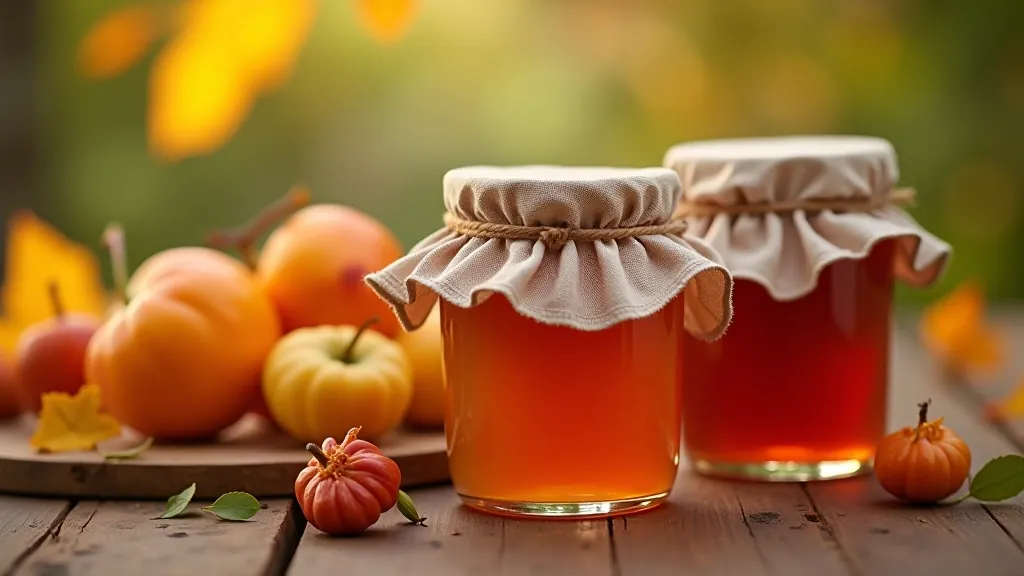
Jam is where people often feel most confident. You've probably made it before, or at least eaten enough of it. The principle is straightforward: fruit plus sugar equals jam. Heat breaks down the fruit, sugar preserves it, and pectin (naturally present in fruit, especially apples) makes it set.
Not all fruit contains enough pectin. Apples and plums are reliable. Berries less so. You've got options: add lemon juice (the citric acid helps), use jam sugar (which has pectin added), or just accept a softer preserve. That's not failure — it's just marmalade or fruit spread instead of jam.
Bring fruit and sugar to a rolling boil — you need to reach the setting point, usually around 104–105°C. Use a sugar thermometer or the cold plate test: drop a spoonful on a cold plate and push it with your finger. If it wrinkles, it's ready.
As jam boils, impurities rise to the top as foam. Skim it off — it improves clarity and flavour.
Pour jam into hot sterilised jars while it's still hot. This heat seals the jar as it cools. Don't fill right to the top — leave 1cm of space.
Bottling is preservation through heat. You're essentially sterilising your product and the jar together, creating an airtight seal. It's slightly more involved than pickling but not difficult.
Tomato sauce is the classic. You'll make it the normal way — onions, garlic, tinned or fresh tomatoes, herbs — then bottle it hot into sterilised jars. The magic happens when you seal it. As the jar cools, the air inside contracts, creating a vacuum seal. This is your guarantee that nothing's going to spoil it.
You can bottle almost anything acidic enough: chutneys (vinegar makes them safe), fruit syrups, even whole tomatoes in their own juice. The rule: if it's acidic (pH below 4.6), you're safe with water-bath canning. Higher pH items need a pressure canner, which is beyond basic home preserving.
Prepare your sauce or preserve. Sterilise jars and lids. Fill jars with hot product, leaving 2cm headspace. Wipe rims clean. Seal with hot lids. Place jars in a large pot of simmering water, covering them completely. Simmer for 10–15 minutes depending on jar size. Remove and let cool completely. You'll hear the lids pop — that's the seal forming. Store in a cool, dark place.
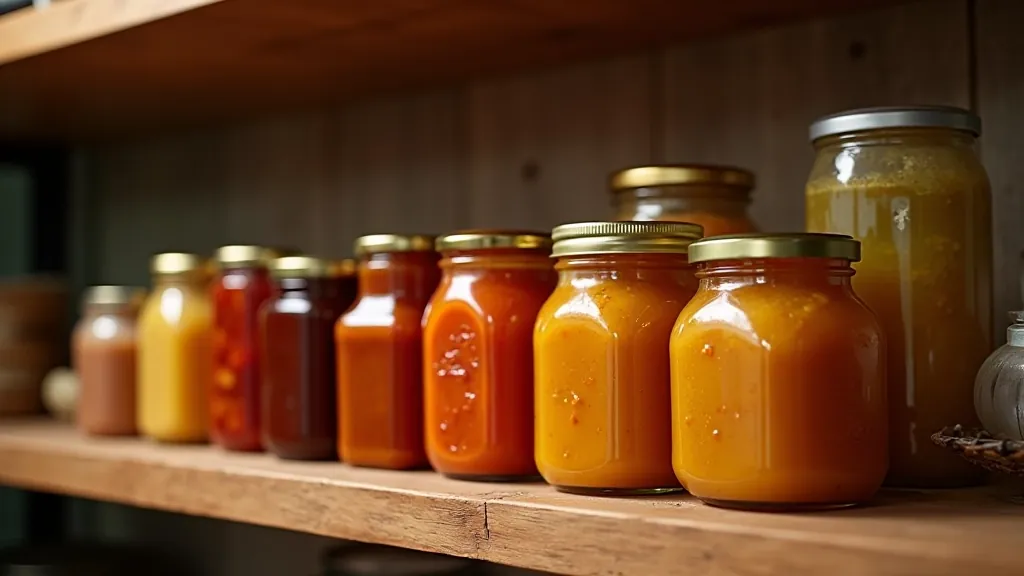
Keep in a cool cupboard away from direct light. Properly sealed pickles last 6–12 months. They won't go "off" after that — they'll just lose crispness and flavour gradually. Refrigerate after opening.
Store in a cool, dry place. Unopened jars last 1–2 years. Once opened, jam keeps in the fridge for 3–4 weeks. High sugar content is the preservative, so don't be tempted to reduce sugar too much.
Keep sealed jars in a cool cupboard for up to a year. Once opened, refrigerate and use within 2–3 weeks. Check seals regularly — if a lid's popped up or come loose, discard the contents.
Pro tip: Label everything with contents and date. You think you'll remember what's in that mystery jar in February, but you won't. A permanent marker on the lid takes 10 seconds and saves confusion.
You've got the knowledge now. Pickling is straightforward vinegar work. Jamming is fruit and heat. Bottling is careful, methodical sterilisation. None of it is complicated, and all of it rewards practice. Your first batch might not be perfect — and that's fine. You'll learn what works in your kitchen, with your fruit, in your climate.
The real satisfaction comes in January, when you open a jar of something you made in September. It tastes like summer and autumn combined. It tastes like your garden. That's worth the effort.
Your autumn garden offers more possibilities beyond preservation. From crafting wreaths to planning next spring's beds, there's always something growing.
Browse all seasonal projects