Building Your Summer BBQ and Entertaining Space
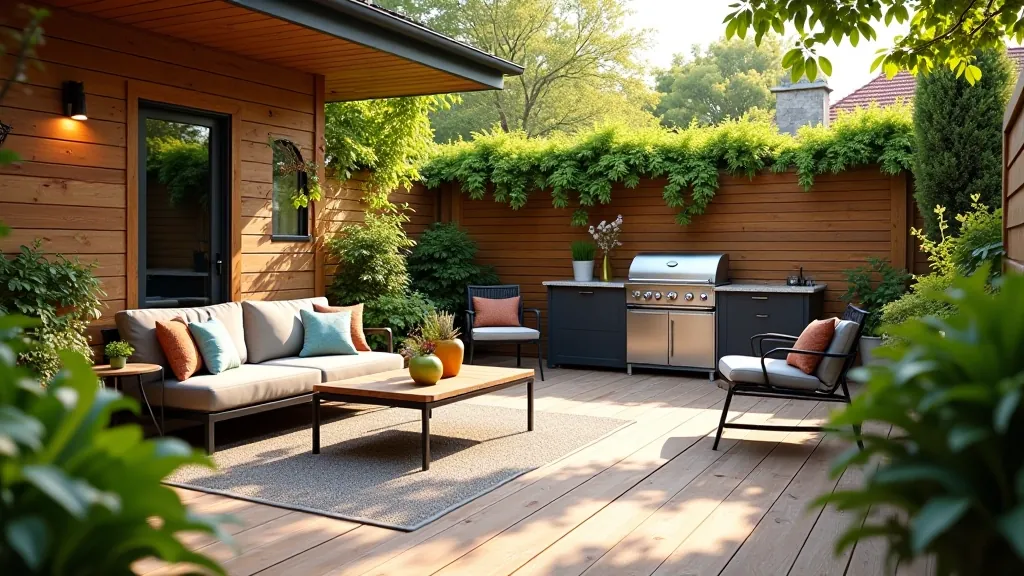
Design an inviting outdoor entertaining area without breaking the bank. Covers layout, furniture, and plantings for a space that's both beautiful and functional.
Learn when to start seeds, how to refresh your soil, and which plants thrive in spring. We've broken it down into actionable steps you can do in a weekend.
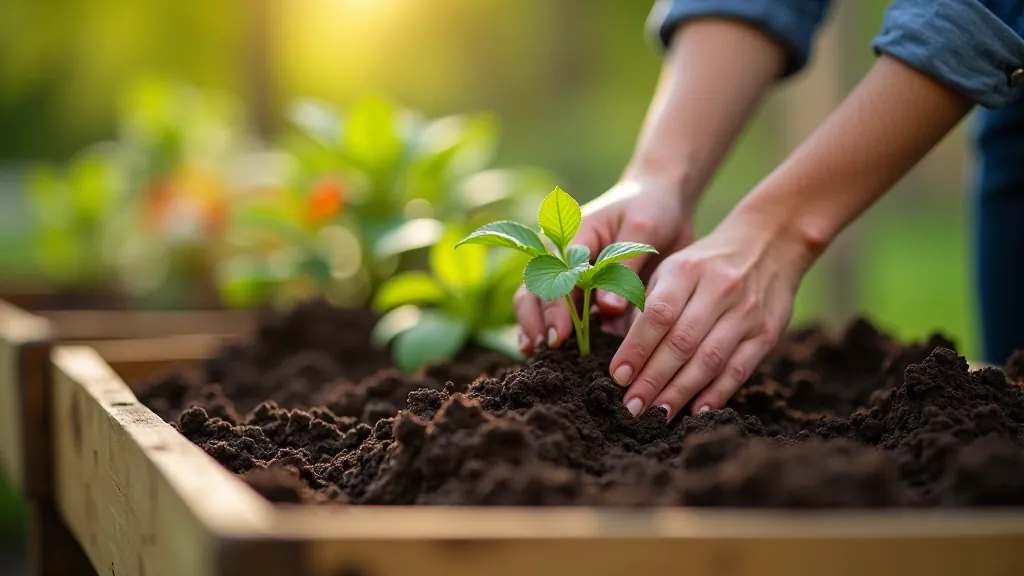
Spring's the best time to get your garden ready for the year ahead. Thing is, most people don't know where to start — should you dig over the beds? Plant seeds now or wait? We've put together a straightforward guide that covers everything you'll need to do.
The good news? You don't need fancy equipment or years of experience. A weekend's work in March or early April sets you up perfectly for months of growth. Let's get into it.
This guide is for educational purposes to help you understand spring gardening practices. Growing conditions vary by location, soil type, and climate. We recommend checking your local frost dates and consulting with your regional gardening authority before planting. If you have questions specific to your garden, speak with a local nursery or horticultural expert who understands your area.
Your soil is everything. It's where roots grow, where water drains, and where nutrients live. Before you plant anything, you need to get your soil in shape.
Start by testing what you've got. You can get a basic soil test done through your local agricultural extension office — they'll tell you the pH level and what nutrients are missing. Most spring gardens need slightly acidic soil around 6.0 to 7.0 pH.
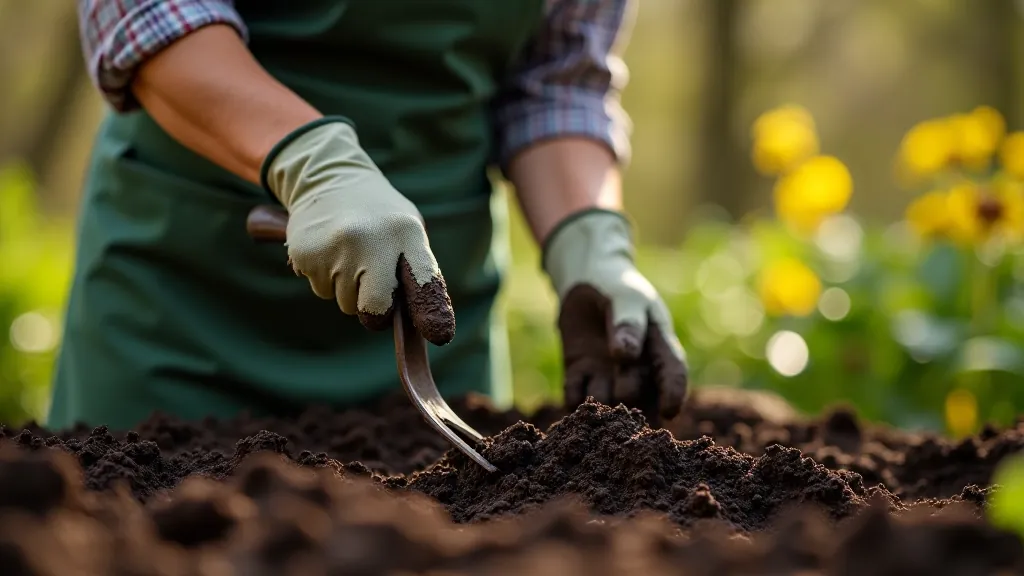
If you've got heavy clay, mix in compost or aged bark to improve drainage. Sandy soil? Add compost to help it retain water. Aim for a good 2 to 3 inches of compost worked into the top 8 inches of existing soil. It's not difficult work, just a bit of digging.
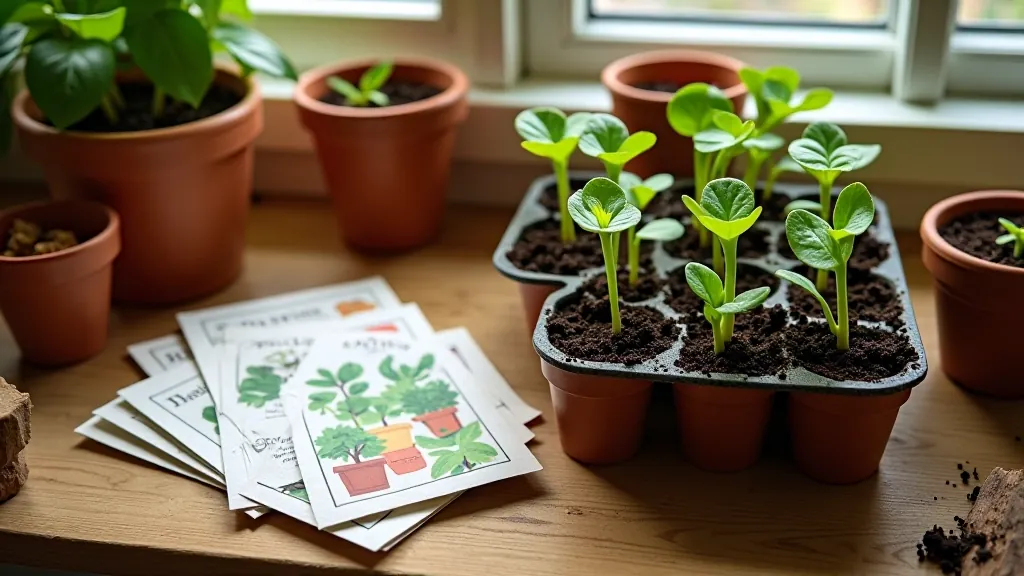
You've got two options here. Direct sowing means planting seeds straight into the garden soil. Starting seeds indoors means growing them in pots first, then transplanting them outside when they're stronger.
For direct sowing, you'll want to wait until the soil's warmed up a bit — around 50°F (10°C) at minimum, ideally warmer. Lettuce and peas? You can start those early, even in late February or early March. Tomatoes, peppers, and beans need warmer soil, so hold off until April or May depending on where you live.
Indoor seed starting happens 6 to 8 weeks before your last frost date. That usually means starting in late February or early March. You'll need seed trays, seed compost, and a warm spot — a sunny windowsill works, though a grow light is better. Keep the soil moist, not waterlogged. Most seedlings are ready to plant out when they've got their first true leaves and are about 3 to 4 inches tall.
Check your frost date (search online for your postcode)
Count back 6-8 weeks for indoor seeds
Direct sow hardy crops now, tender crops in 4-6 weeks
Not everything goes in at the same time. Here's what works for spring gardens in the UK.
Direct sow: Peas, broad beans, spinach, lettuce, radishes, parsnips, beetroot
These like cooler soil and don't mind frost. Get them in early for harvests in late May and June.
Plant seedlings & direct sow: Tomatoes, peppers, aubergines, courgettes, beans, squash, cucumber, basil
Wait until soil's warm (60°F+) and the last frost has passed. These need warmth to grow.
Chit & plant: Start chitting (sprouting) in late February, plant from mid-March onwards
Plant 4 inches deep, 12 inches apart. You'll harvest in early summer for new potatoes.
Getting your garden planted is just the start. Spring weather's unpredictable — you might get a frost weeks after you've planted, or a dry spell when seedlings are vulnerable.
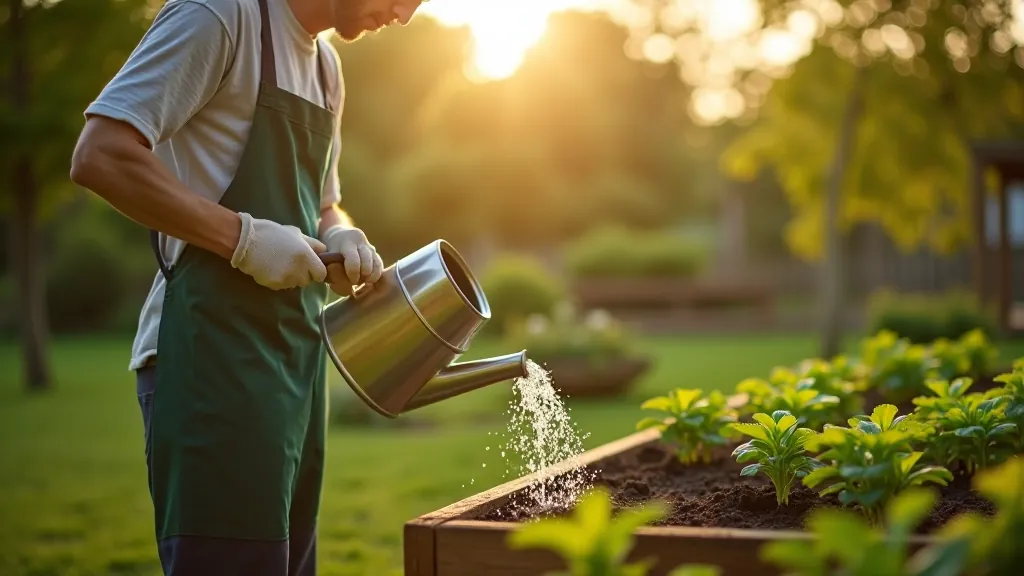
Water regularly but don't overdo it. Seedlings need consistent moisture, but soggy soil causes rot. Water in the morning so foliage dries during the day. That reduces disease risk.
Watch for slugs and snails — they're hungry in spring and love young shoots. Netting protects from birds. And don't forget weeds. They compete with your plants for water and nutrients, so pull them out early when they're small and the soil's moist.
Spring garden prep doesn't need to be complicated. Test your soil if you can. Add compost to improve it. Start seeds indoors if you want to get a head start. Direct sow hardy crops now and tender crops in a few weeks. Water regularly, watch for problems, and you'll have a productive garden.
The best part? You'll see results quickly. Within 4 to 6 weeks you'll have seedlings coming up, leaves unfurling, and actual vegetables growing. That's what makes spring gardening so rewarding.