Crafting Beautiful Christmas Wreaths from Garden Materials
Create festive wreaths using foliage from your garden and natural materials. Simple techniques, stunning results, and ideas for personalizing your Christmas decorations.
Why Make Your Own Wreaths?
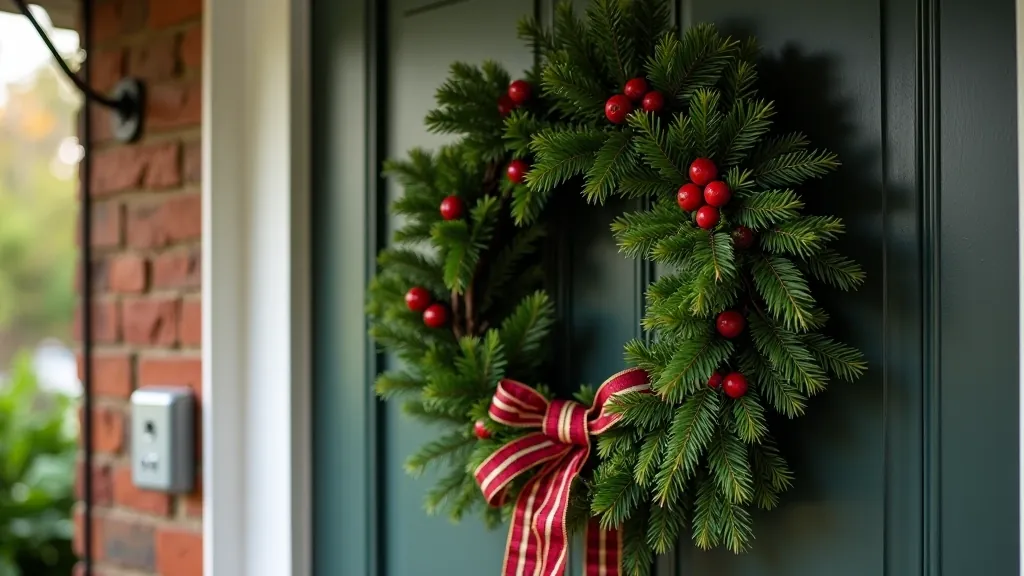
You don't need expensive materials or special training to create a beautiful wreath. Most of what you'll use is already growing in your garden — evergreen branches, berry clusters, seed pods, and foliage. It's a satisfying afternoon project that costs far less than shop-bought versions and adds a personal touch to your home.
The best part? You're not locked into any particular style. Want something wild and natural? Go for it. Prefer symmetrical and polished? That works too. We'll walk you through the basics so you can make something that feels right for your space.
Gathering Your Materials
The foundation of any good wreath is fresh, sturdy foliage. Holly, ivy, eucalyptus, and conifer branches work brilliantly because they hold up well and look festive from the moment you cut them.
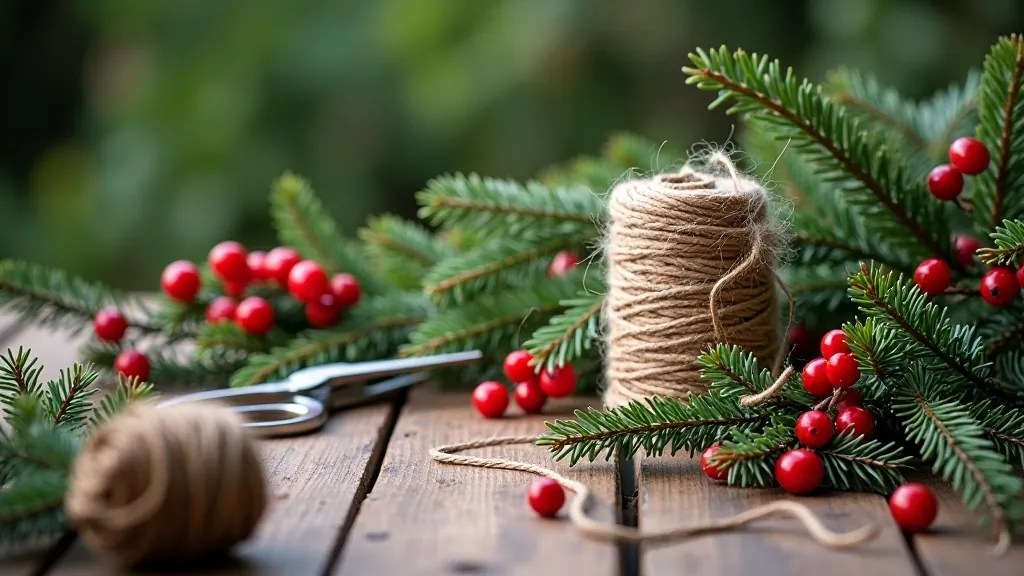
What You'll Need
- Evergreen branches (holly, ivy, fir, or spruce)
- Berries (rosehips, hawthorn, or pyracantha)
- Wire base or foam ring (8-10 inches diameter)
- Florist wire or garden twine
- Ribbon or natural fabric strips
- Scissors or garden shears
- Optional: cinnamon sticks, dried orange slices, pinecones
Timing matters. Cut your foliage in the morning after any frost has melted, when stems are still crisp. This helps materials last longer once assembled.
The Basic Assembly Method
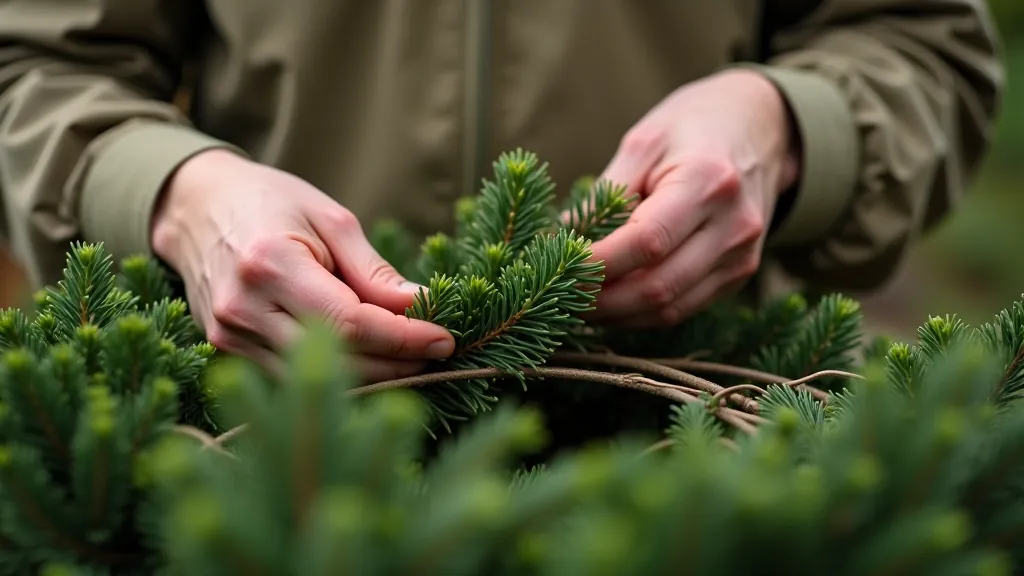
Start with your base — wire or foam both work fine. We'll use the spiral method here because it's straightforward and creates natural-looking fullness.
1
Start with Greenery
Cut branches into 4-6 inch sprigs. Lay your first piece along the base and wrap wire around it twice — not too tight, just enough to hold it. You're building layers, not strangling the stems.
2
Build in Spirals
Add the next sprig slightly overlapping the first, working your way around the base. This creates fullness without looking cluttered. Each layer should spiral slightly — it's more interesting visually than rigid rows.
3
Add Your Accents
Once your greenery base is solid, tuck in berries and secondary materials. Cluster three or five pieces together rather than scattering them — it looks more intentional and polished.
4
Finish with Ribbon
Tie your ribbon near the top where it'll look natural. A bow isn't required — sometimes a simple draped ribbon looks better. Secure with wire underneath so it won't slip.
Informational Note: This guide provides educational information about wreath-crafting techniques. Results depend on your specific garden materials, climate, and local growing conditions. Always check that foliage is healthy before harvesting, and be mindful of any protected plants in your area.
Making It Your Own
The real magic happens when you move beyond the basics. Your wreath should feel like it belongs on your door, reflecting what grows around you and what appeals to you visually.
Rustic & Natural
Keep things loose and organic. Mix different greenery textures, add bare twigs, and use muted ribbon colours. Don't worry about symmetry — wildness is the point here.
Bright & Festive
Cluster red berries heavily, add gold ribbon, and include dried citrus slices or small ornaments. The goal is visual richness and clear colour focus. This style reads beautifully from a distance.
Elegant & Understated
Stick to one or two greenery types, use soft ribbon in cream or silver, and add accents sparingly. Think symmetry and balance. This approach works beautifully on traditional doors.
You can even change your wreath mid-season. Fresh berries fade, foliage browns — that's natural. Add new sprigs where needed, or completely refresh it after a few weeks. It's not permanent, which is liberating.
Keeping Your Wreath Fresh
A well-made wreath will stay beautiful for 4-6 weeks if you're mindful of a few things. Placement and moisture matter more than you'd expect.
- Location: Keep your wreath in a sheltered spot. Wind dries out materials faster, and rain can cause some foliage to rot. A covered porch or recessed doorway is ideal.
- Misting: If you're having dry weather, mist your wreath with water every 3-4 days. It keeps evergreens from browning at the edges and helps berries last longer.
- Temperature: Cold weather actually helps — it slows decay. Hang your wreath after the first frost for best longevity.
- Frost Damage: Some foliage becomes translucent after hard frost, which changes the look. This isn't damage — it's just the plant's response. You can pull those pieces out if you prefer.
You've Got This
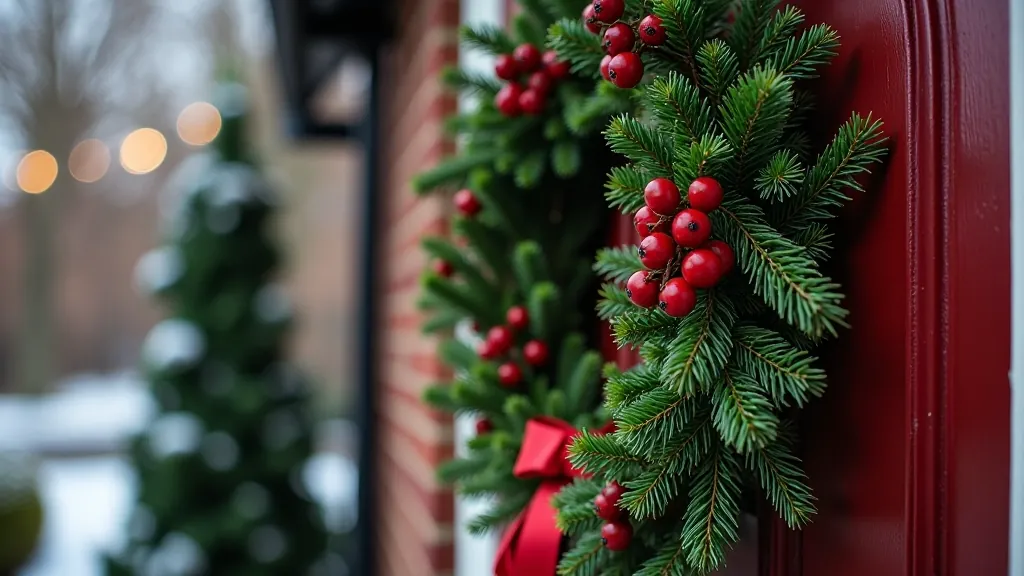
Making a wreath isn't difficult, and the first one you create will likely be the best part of your December. You're not competing with professionals — you're creating something personal for your home. That's what makes it special.
Start simple. Gather your materials one afternoon, spend an hour or two assembling, and hang it on your door. If you're happy with it, brilliant. If you want to adjust it the next day, do that too. It's your wreath, your way.
The best wreaths aren't perfect — they're genuine. They show what's actually growing around you and reflect the time you spent creating them. That's worth more than any shop-bought decoration.